May 21, 2026
Choosing the perfect foundation for your living space is one of the most transformative design decisions you will ever make. The surface underfoot anchors your furniture, reflects natural light, and establishes the atmospheric baseline for your entire interior environment. By harmonizing structural durability with visual design principles, you can select a material that elevates your home's unique architectural character for decades to come.
1. Assessing the Visual Scale and Natural Architecture of Your Space
Before browsing material samples, you must analyze the physical dimensions and lighting conditions of your rooms. Large, sun-drenched spaces with open floor plans can easily handle dark, dramatic floor tones like charcoal slate or deep walnut without feeling confined. Conversely, smaller rooms or hallways with limited window exposure benefit significantly from lighter surfaces, such as white oak or cream-toned porcelain, which reflect ambient light to create the illusion of spaciousness. The direction of your flooring planks or tile layouts also plays a vital role in visual scaling; installing planks parallel to the longest wall elongates a narrow room, while a diagonal pattern breaks up rigid lines in boxy spaces.
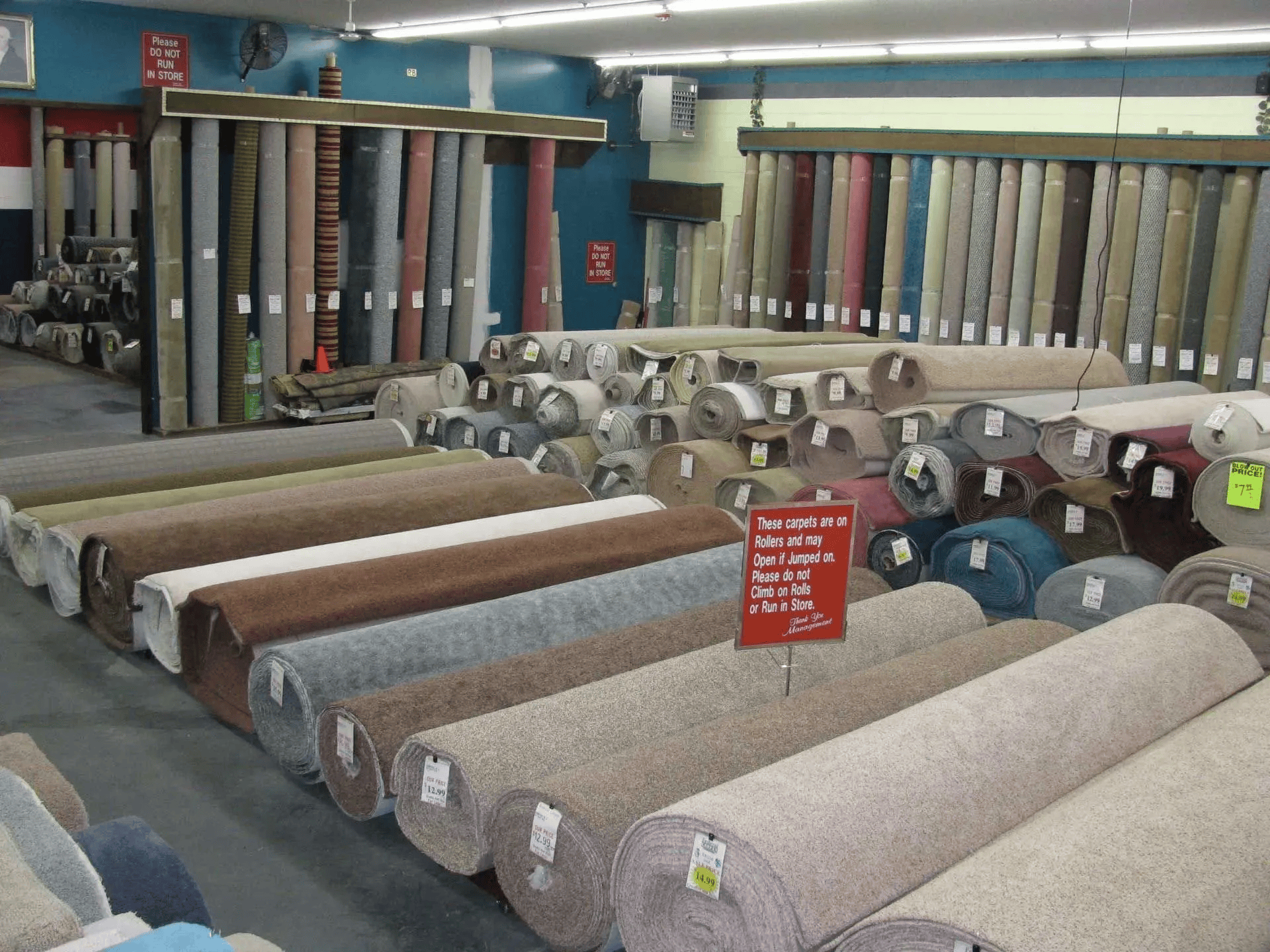
When you visit a local carpet store to gather design inspiration, pay close attention to how various textures interact with structural shadows. A high-gloss finish will amplify light but may reveal footprints and dust, whereas a matte or wire-brushed texture offers a grounded, organic feel that conceals daily wear. Your flooring should complement, rather than compete with, your home's existing architectural focal points, such as exposed beams or stone fireplaces. Take the time to evaluate how architectural scale dictates material choice so that your new surface feels integrated rather than intrusive.
2. Aligning Material Textures with Your Desired Interior Style
Every interior design movement relies on a specific tactile language to communicate its core aesthetic values. Minimalist styles lean heavily on smooth, pale woods, clean large-format tiles, and low-profile woven textiles that emphasize simplicity and geometric purity. Traditional and rustic aesthetics, on the other hand, call for rich, multi-tonal surfaces, hand-scraped finishes, and complex patterns like herringbone or traditional oriental rugs. Matching the inherent texture of a material to your overarching style prevents visual discord and ensures that your decorative elements feel cohesive.
If your style leans toward transitional or modern farmhouse, balancing hard and soft elements becomes paramount to achieving that layered look. Exploring the curated displays at a local carpet store can give you a better sense of how textured loops, plush piles, and patterned wool pairs with smooth hard surfaces. The right textural contrast prevents a sleek, modern room from feeling clinical and stops a traditional space from feeling outdated. By purposefully matching material textures to your design theme, you establish an authentic and convincing style narrative throughout your home.
3. Balancing Long-Term Material Longevity against Daily Lifestyle Demands
An aesthetic foundation is only successful if it can maintain its beauty under the pressures of your household's daily routines. High-traffic entryways, active pets, and busy kitchens require exceptionally resilient surfaces that resist moisture, scratching, and indentation. While raw solid hardwood offers timeless elegance, it may not be the practical choice for environments prone to frequent spills or muddy paws. Fortunately, modern engineering allows homeowners to achieve premium aesthetics without compromising on structural endurance or lifestyle utility.
Selecting the wrong material can lead to premature wear, forcing costly replacements and ruining your carefully planned design. By understanding the specific demands of your home, you can target materials featuring robust wear layers, advanced scratch-resistant topcoats, and cross-grain construction that prevents shifting during seasonal humidity changes.
For those who refuse to sacrifice the warmth of genuine wood in favor of pure utility, certain premium products provide the ultimate compromise. Engineered hardwood floors last 50 years or more, according to USA Today.
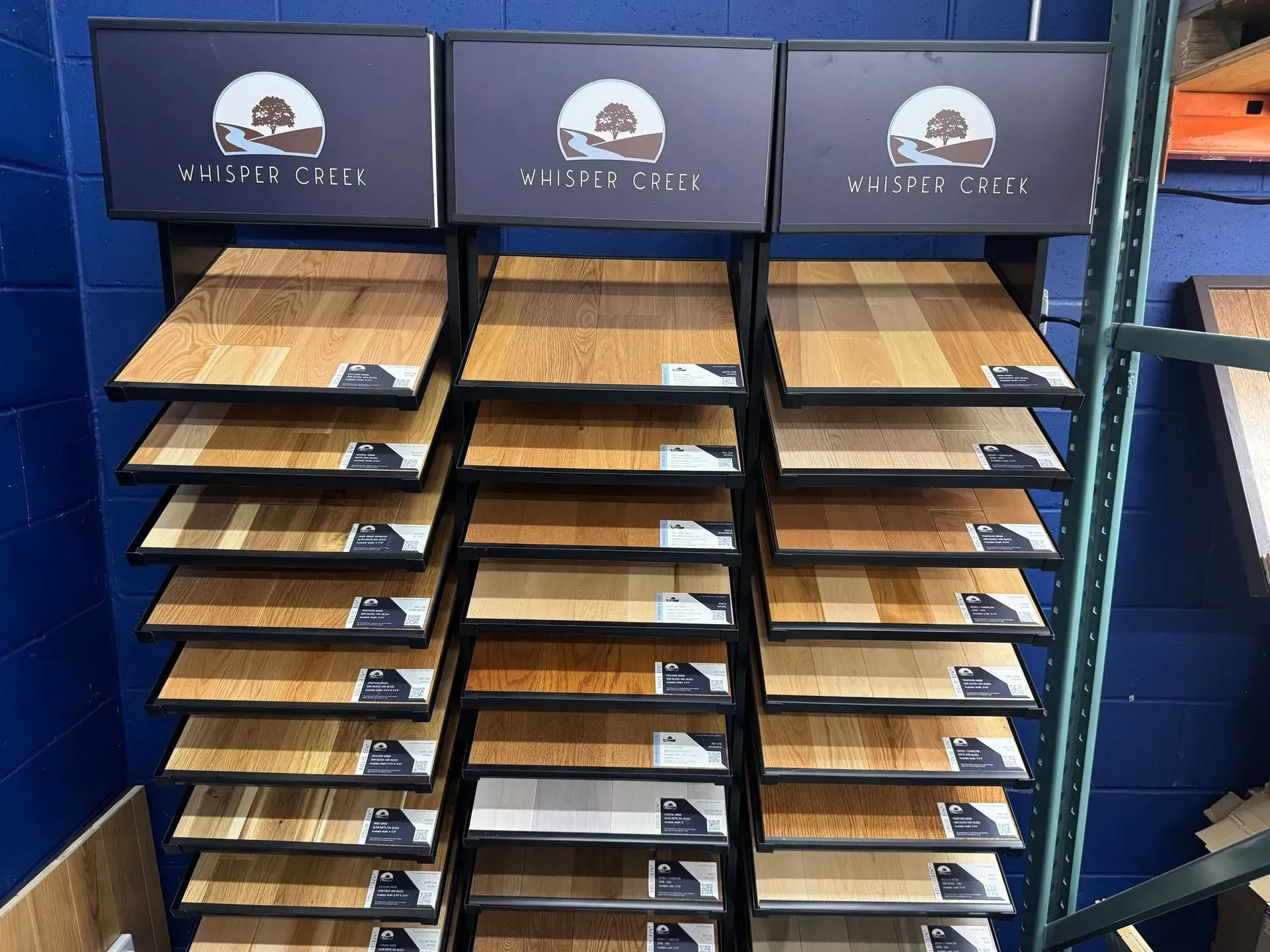
This impressive lifespan makes them an exceptional investment for high-end aesthetics, providing a real hardwood veneer anchored to a highly stable, multi-layered core that resists warping. When exploring these resilient options, consulting with professionals at a local carpet store can help you compare performance metrics across various brands to find the ideal balance of beauty and durability.
4. Coordinating Color Palettes across Interconnecting Transition Zones
Achieving a seamless flow from one room to another is a hallmark of professional interior design, particularly in contemporary open-concept layouts. Abruptly changing your flooring material at every doorway creates a fragmented, jarring visual experience that makes a home feel smaller and disorganized. Instead, establish a unified primary flooring material for the main living areas, and use subtle, complementary transitions for specialized zones like bathrooms, utility rooms, or cozy bedrooms. The goal is to create a harmonious color journey where adjacent spaces share matching undertones, whether they are cool, warm, or neutral.
This sense of continuity can be further enhanced by matching the direction of your flooring planks across thresholds, pulling the eye forward naturally. When sightlines are unobstructed, the floor acts as a visual highway, making the entire footprint of the house feel expansive and intentional. Strategic transitions, like using a slim, low-profile T-molding or a flush marble sill, ensure that the shift between different materials feels like a deliberate design choice rather than an afterthought.
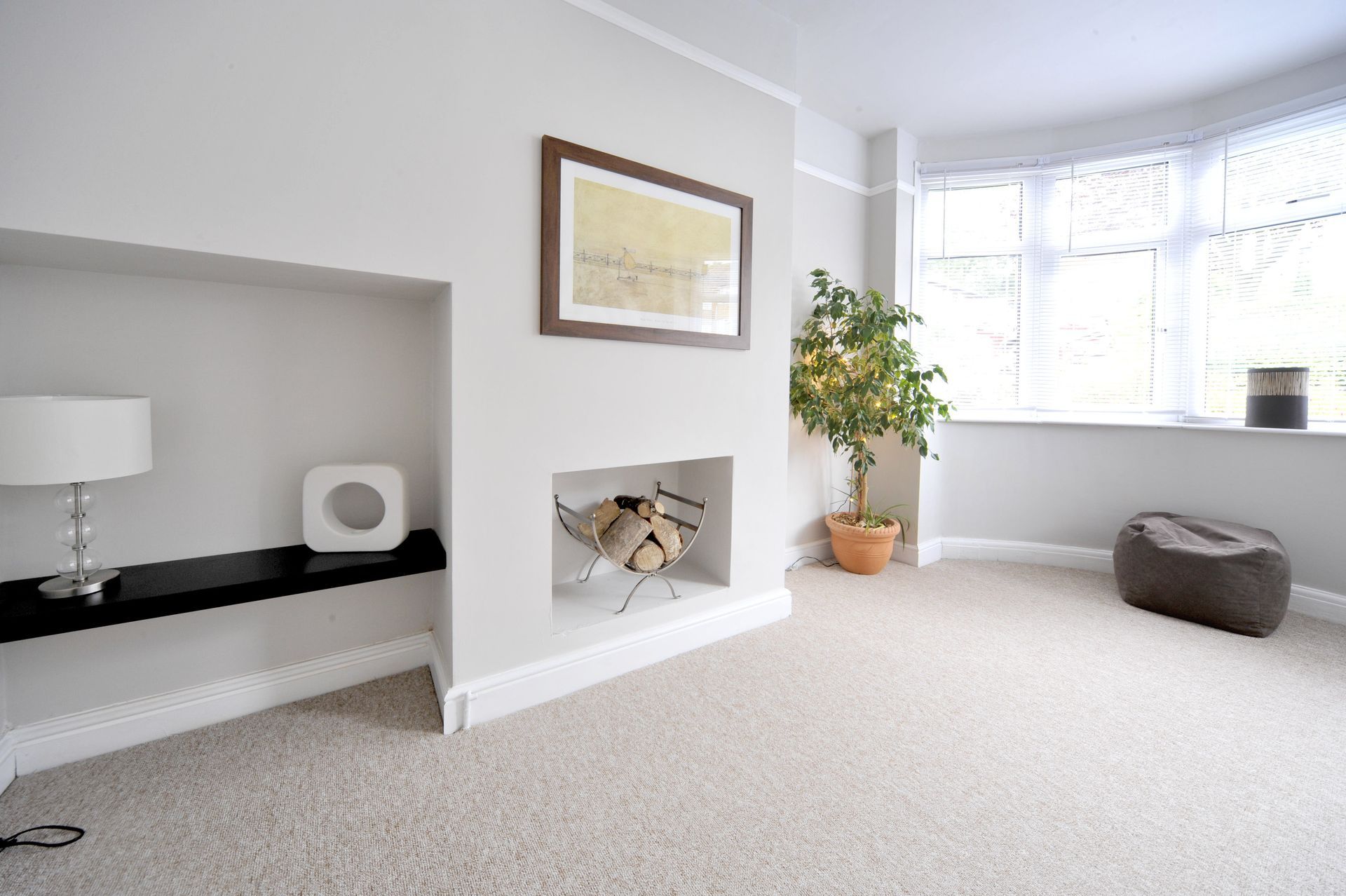
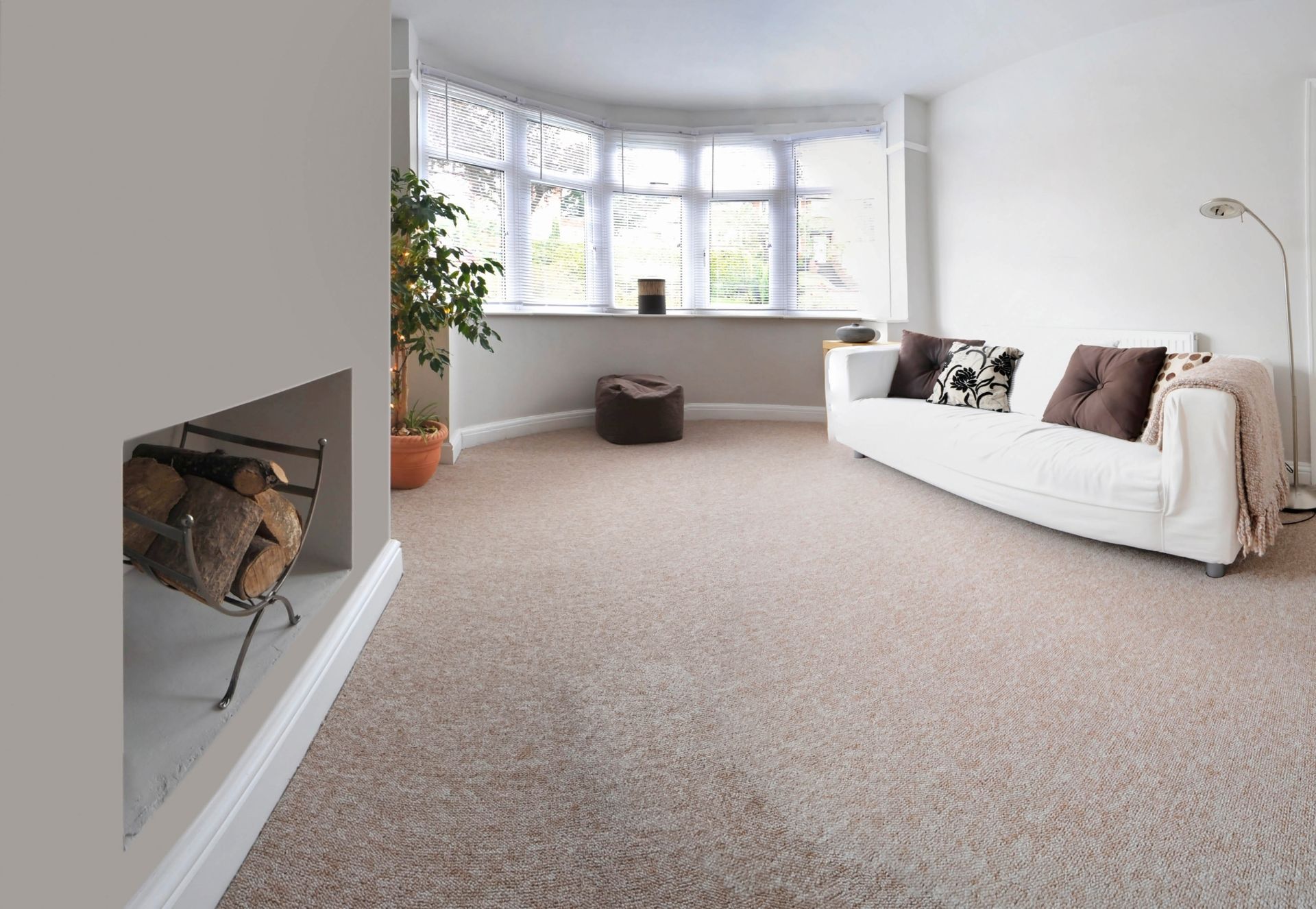
If you choose to transition from a hard surface to a soft one, matching the color temperature is critical for aesthetic continuity. A quick trip to a local carpet store will allow you to hold carpet swatches directly against wood or tile samples to ensure their undertones do not clash. For example, a cool grey oak floor pairs beautifully with a silver-toned, low-pile carpet, while a rich cherry wood requires warm, earthy textile companions. Managing these transition zones carefully creates a unified architectural spine that ties your entire home together beautifully.
5. Utilizing Strategic Accent Layouts to Define Functional Living Areas
The final layer of your flooring aesthetic involves using strategic layouts, borders, and textile accents to define distinct functional zones within a single space. In an open-plan home, a change in flooring orientation or the introduction of a custom inset can visually separate a formal dining area from an adjacent family room without the use of restrictive walls. Similarly, a thoughtfully placed area rug or a distinct tile border acts as a visual frame that anchors furniture arrangements and creates intimate sub-sections within sprawling rooms.
To executing this tip flawlessly, working with a specialized local carpet store is invaluable for sourcing custom-sized area rugs and specialized binding services that perfectly match your hard surfaces. A properly scaled rug should sit comfortably under the front legs of your seating arrangements, binding the furniture together into a cohesive conversation zone. By treating your floor as a canvas for functional zones, you add depth, purpose, and sophisticated luxury to your living environment. Ultimately, relying on a trusted local carpet store ensures your custom accents are crafted with the exact precision required to elevate your home's total aesthetic.
By analyzing your home's architecture, matching textures to your style, and prioritizing long-term durability, you can confidently select a floor that inspires. Melding practical longevity with visual harmony ensures your home remains both functional and stunningly beautiful for decades to come. Let your new floor serve as the beautiful canvas upon which your family’s daily life and personal style gracefully unfold. If you want to learn more about how to select the right floor, contact Federal Carpet & Flooring today to get started!